Connect
 PetConnect
 Cortex
The most useful health-check schedule for your dog is one agreed with your veterinarian. Age, size, medical history and everyday activities all matter. A chart that assigns the same tests to every dog of a particular age cannot replace that conversation.
Use this guide to prepare for a routine visit and keep track of the next steps. If your dog develops a sudden or worrying change, contact your veterinary team instead of waiting for a planned wellness appointment.
Agree the next visit around your dog's needs#
The AAHA dog life stage guide explains why care changes as a dog develops and ages. Dogs of the same calendar age may have different needs because size and breed affect their life stages. Ask your veterinarian to confirm the next visit for your dog.
For a puppy, discuss development and preventive care. For an adult dog, review daily activities and previous findings. As needs change later in life, ask which observations or investigations would be useful. Reaching a birthday does not automatically mean every test is required. The AAHA diagnostic guidance by life stage treats testing as a separate decision; local risks and your dog's condition still need veterinary assessment.
Bring a short note, not a diagnosis#
Write down what has changed since the last visit and when you first noticed it. “Less keen on the usual walk since Monday” gives the team a clearer starting point than “seems different.” You do not need to decide what is causing the change.
Information | What to bring |
|---|---|
Everyday routine | Changes you have noticed in appetite, drinking, activity or sleep |
Current products | Prescribed medicines, supplements and the current care plan |
Previous care | Visit summaries, results and documents from another clinic |
Lifestyle | Travel, contact with other animals or a change in care arrangements |
Your questions | The two or three concerns you most want to discuss |
Preparing this note is not a home examination. Avoid forcing your dog's mouth open or repeatedly checking an uncomfortable area. Describe what you observed and ask the team how to proceed. A photograph or short video may help a discussion if it can be obtained without distress or delaying needed care.
Ask what each next step is meant to answer#
When your veterinarian recommends an investigation, ask what question it addresses and how the result will reach you. Nutrition, dental care and preventive care may also be part of the visit. The AAHA life stage checklists provide context for that broader discussion.
Before leaving, check that you understand the agreed next action, what you should report from home and whom to contact with a question. If an instruction is unclear, ask the clinic to explain it rather than filling the gap yourself.
Keep the current plan easy to find#
Store the visit summary, shared results and next appointment details where you can find them again. Keep dates visible so an older instruction is not confused with the current plan. If someone else helps care for your dog, agree how they will find the latest information.
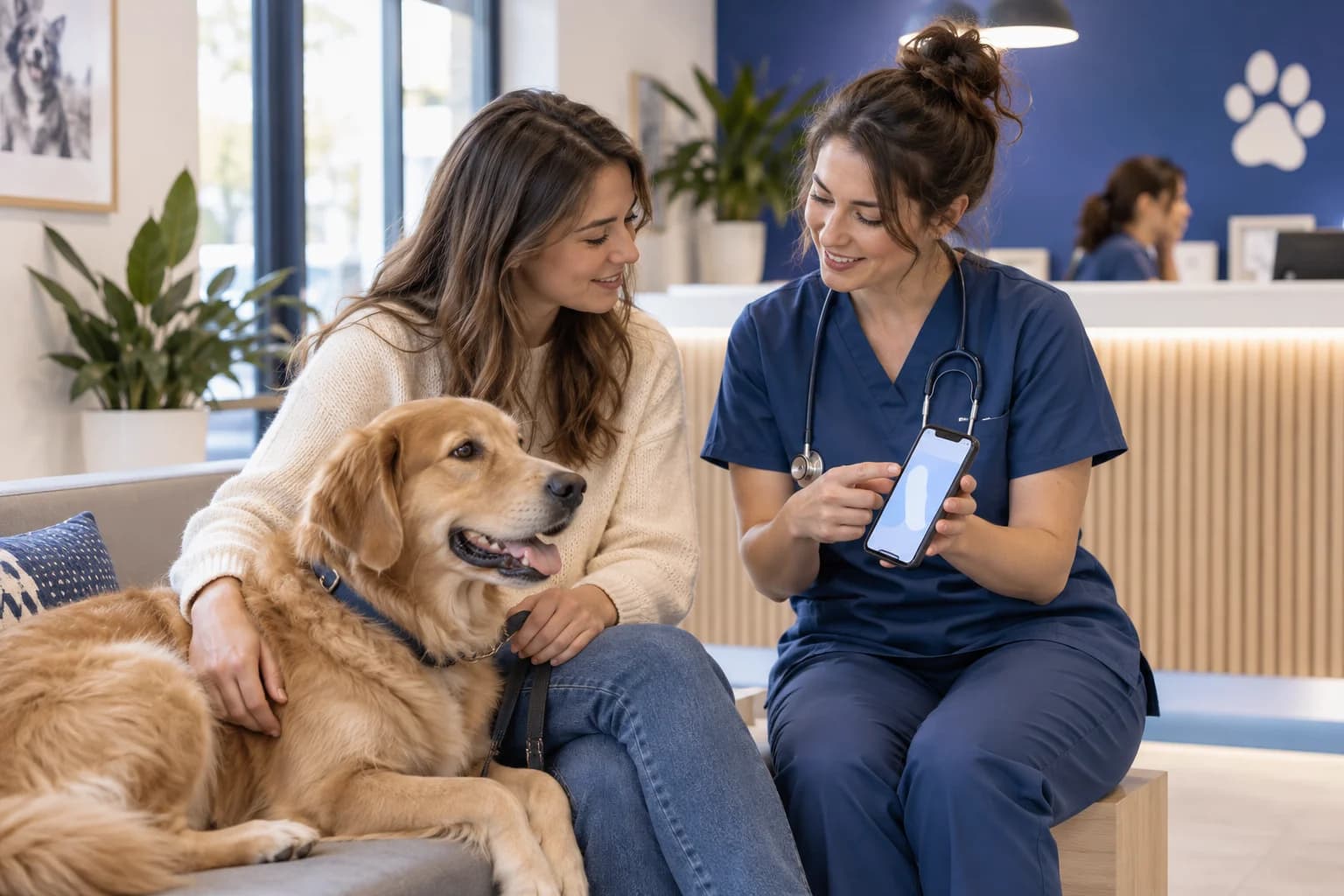
If your clinic shares records through Vetigen, explore how PetConnect displays shared records and appointments. Access uses the mobile number registered with your clinic. Ask the clinic about missing or incorrect information. An appointment request also needs to be distinguished from the date and time the clinic has confirmed.
Know when a routine plan is not enough#
Breathing difficulty, collapse or a serious injury calls for direct veterinary help rather than waiting for a wellness visit. Our pet emergencies guide explains how to prepare information for the receiving team. An app or message inbox is not an emergency assessment service.
For your next routine visit, start by gathering the current plan and your questions. To use PetConnect, follow the download and access information on its product page. Pet owners do not need a clinic management account.